The Hidden Cost of Poor Documentation: How Bad Manuals Impact Returns, Support, and Brand Trust
- Peter, Instrux Studio
- Apr 10
- 2 min read
Updated: Apr 11
For many businesses, documentation is treated as an afterthought—something to complete once the product is finished. But poorly designed manuals carry hidden costs that extend far beyond simple confusion. In reality, unclear or ineffective documentation can significantly impact returns, customer support demand, and long-term brand trust.
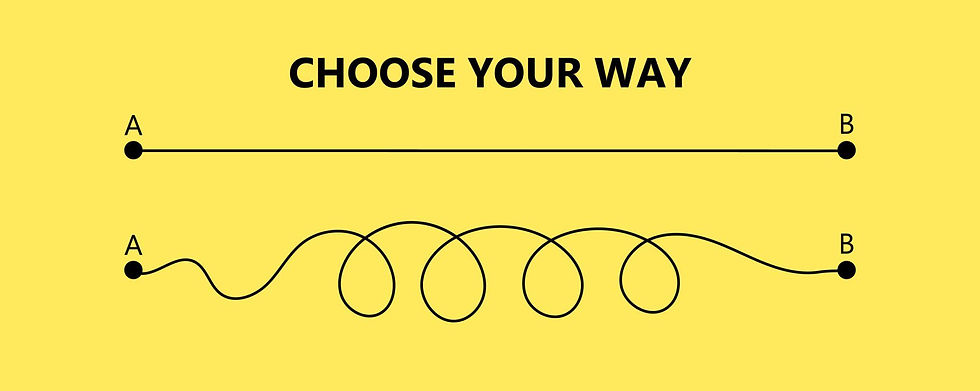
One of the most immediate consequences of poor documentation is an increase in product returns. When customers cannot easily understand how to assemble, install, or operate a product, frustration quickly sets in. Rather than troubleshooting, many choose the simplest option: returning the product. In many cases, the product itself isn’t defective—the instructions are. This creates unnecessary logistical costs and lost revenue, all stemming from preventable communication issues.
Customer support is another area where weak documentation takes a toll. Every unclear step or missing detail in a manual often translates into a support call, email, or chat request. Over time, these interactions compound into a significant operational burden. Support teams are forced to repeatedly answer the same questions, reducing efficiency and increasing staffing needs. Clear, intuitive manuals act as a first line of support, resolving common issues before they ever reach your team.
Perhaps the most overlooked impact is on brand perception. Customers rarely separate the product from the experience of using it. If installation is confusing or operation is unclear, that frustration becomes associated with the brand itself. A product that may be well-engineered can still feel poorly designed if the user struggles to understand it. On the other hand, clear and thoughtfully illustrated instructions communicate professionalism, care, and attention to detail—qualities that build trust and encourage repeat business.
Strong documentation also plays a critical role in safety and compliance. In industries where improper use can lead to damage or injury, unclear instructions introduce real risk. Well-structured, visually guided manuals help ensure users follow correct procedures, reducing liability and protecting both the customer and the company.
Ultimately, documentation is not just a supporting asset—it is a core part of the product experience. Investing in clear, intuitive manuals reduces costs, improves customer satisfaction, and strengthens brand trust. Businesses that recognize this shift don’t just create better instructions—they create better experiences.


Comments